
Gym Equipment Cost Guide: What to Budget by Category (2026)
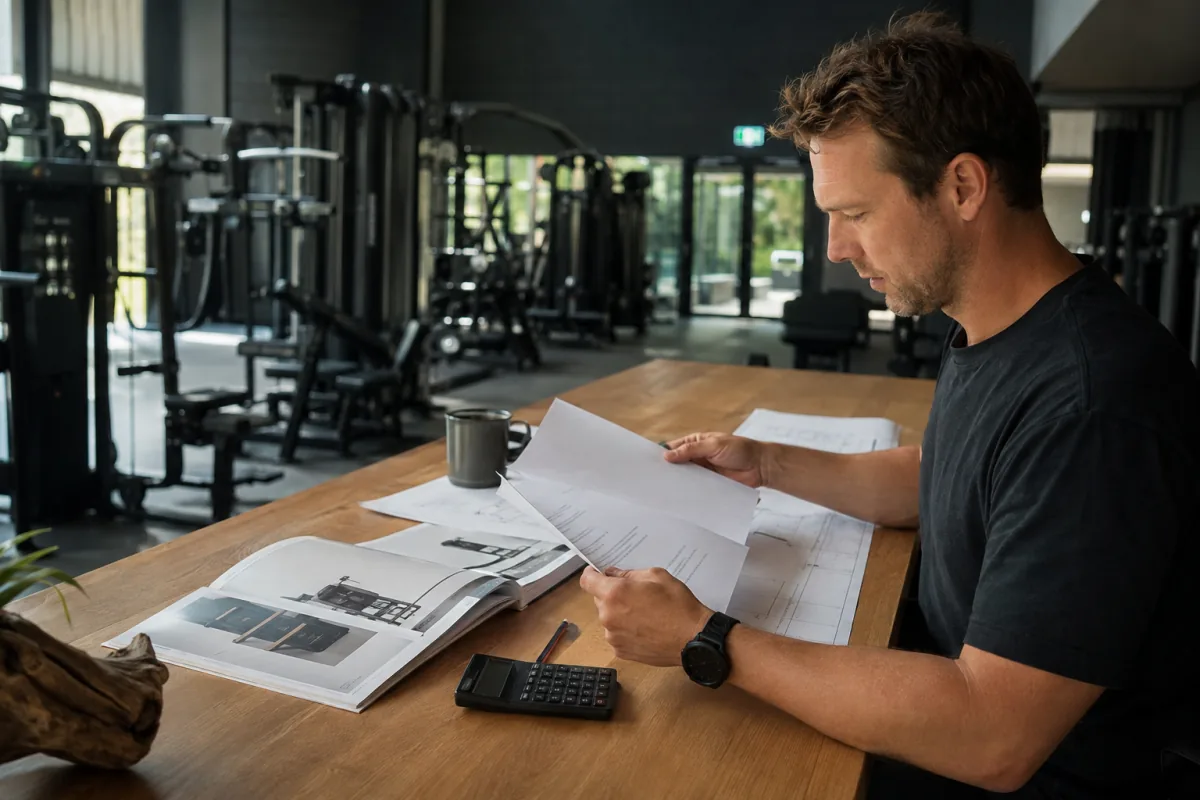
Commercial gym equipment costs between $80,000 and $400,000+ to fully equip a facility, depending on gym size, equipment quality, and whether you buy new or used. Cardio equipment (treadmills, bikes, stair climbers) typically costs $2,500–$10,000 per unit, pin-loaded strength machines run $4,000–$15,000 each, and functional trainers range from $2,000–$8,000. A boutique studio can get started for as little as $30,000–$80,000, while a full-service commercial gym with premium equipment can exceed $400,000. This guide breaks down real 2026 pricing across every equipment category so you can build an accurate budget.
I'm Niall Wogan, CEO of VERVE Fitness — we've equipped over 16,000 commercial gyms across Australia. We sell equipment, so we know these numbers firsthand. But I'll give you the full picture here, including what our competitors charge, so you can make a genuinely informed decision regardless of who you buy from.
Boutique studio (under 200 sqm): $30,000–$80,000
Mid-size gym (200–500 sqm): $80,000–$200,000
Full commercial gym (500+ sqm): $200,000–$400,000+
These figures cover equipment only — not fitout, flooring, or installation. Prices are in AUD and reflect 2026 market rates from major commercial suppliers.
Equipment Cost by Category
Equipment is typically the single largest line item when opening or refitting a gym. Let's break it down category by category with real pricing.
Cardio Equipment
Cardio machines are the workhorses of any gym floor. Members expect treadmills, bikes, and cross-trainers as a minimum — and they get heavy use, so commercial-grade is non-negotiable.
What you need: A mid-size gym typically runs 8–15 cardio units. A boutique studio might have 4–8. The mix depends on your membership profile, but most gyms aim for a ratio weighted toward treadmills (the most popular piece in any gym), followed by bikes, cross-trainers, and at least one stair climber or rower.
| Equipment | VERVE Fitness | Life Fitness | Technogym |
|---|---|---|---|
| Commercial Treadmill | Kuro Treadmill — $7,499 | $8,000–$12,000 | $10,000–$18,000 |
| Touchscreen Treadmill | Kuro Touchscreen — $9,499 | $10,000–$15,000 | $14,000–$20,000 |
| Commercial Stair Climber | Kuro Stair Climber — $6,499 | $8,000–$14,000 | $12,000–$18,000 |
| Commercial Upright Bike | Kuro Upright Bike — $2,999 | $4,000–$7,000 | $5,000–$10,000 |
| Commercial Elliptical | Kuro Elliptical — $10,499 | $8,000–$13,000 | $10,000–$16,000 |
| Spin Bike | Volt Spin Bike — $3,449 | $3,500–$5,000 | $4,000–$7,000 |
The price gap between brands is most dramatic in cardio. Technogym's premium is partly justified by their integrated entertainment screens and ecosystem, but for most gym owners the practical difference in member experience is minimal — especially with VERVE's Kuro Touchscreen Treadmill at $9,499 offering a comparable connected experience.
Strength Machines — Pin-Loaded
Pin-loaded (selectorised) machines are the backbone of a commercial strength floor. They're member-friendly, low-maintenance, and essential for beginners who aren't comfortable with free weights. A typical commercial gym needs 8–15 pin-loaded machines covering all major muscle groups.
| Machine | VERVE Makoto Series | Life Fitness Circuit | Technogym Selection |
|---|---|---|---|
| Chest Press | Makoto Chest Press — $5,199 | $6,000–$9,000 | $8,000–$12,000 |
| Shoulder Press | Makoto Shoulder Press — $5,199 | $6,000–$9,000 | $8,000–$12,000 |
| Lat Pulldown / Seated Row | Makoto Pulldown/Row — $4,699 | $6,500–$10,000 | $9,000–$13,000 |
| Pec Fly / Rear Delt | Makoto Pec Fly — $4,899 | $6,000–$9,000 | $7,000–$11,000 |
| Full Circuit (10+ machines) | $50,000–$65,000 | $70,000–$110,000 | $90,000–$150,000 |
The Makoto Commercial Series from VERVE is designed to compete directly with Life Fitness and Technogym on build quality, biomechanics, and warranty — but at a significantly lower price point. For a full 10-machine circuit, you're looking at $50,000–$65,000 compared to $70,000–$150,000 from premium brands. That's a saving of $20,000–$85,000 that can go straight into your fitout, marketing, or working capital.
Strength Machines — Plate-Loaded
Plate-loaded machines are popular with more experienced lifters and are a staple of any serious strength area. They offer a different feel to pin-loaded machines — more like free weights but with guided movement paths.
| Machine | VERVE Fitness | Hammer Strength (Life Fitness) |
|---|---|---|
| Leg Press | Makoto Leg Press — $4,499 | $6,000–$10,000 |
| Plate-Loaded Chest Press | $3,500–$5,000 | $5,000–$8,000 |
| Plate-Loaded Row | $3,500–$5,000 | $5,000–$8,000 |
| 5–8 plate-loaded station setup | $20,000–$35,000 | $35,000–$60,000 |
Hammer Strength (a sub-brand of Life Fitness) is widely considered the gold standard for plate-loaded equipment, and you'll find it in most high-end commercial gyms globally. The premium is real — but for many gym owners, commercial-grade alternatives from brands like VERVE deliver 90% of the experience at 50–60% of the cost.
Functional Training & Cable Machines
Functional training equipment is one of the fastest-growing categories in commercial fitness. Cable machines, functional trainers, and cable crossovers are versatile, space-efficient, and popular with every demographic from beginners to advanced athletes.
| Equipment | VERVE Fitness | Competitors |
|---|---|---|
| Functional Trainer (Dual Adjustable Pulley) | Tori Functional Trainer Rack — $5,549 | Life Fitness: $6,000–$10,000 |
| Wall Mounted Functional Trainer | Tori Wall Mounted — $3,299 | Rogue: $2,500–$4,000 |
| Cable Crossover | Tori Cable Crossover — $6,299 | Life Fitness: $7,000–$12,000 |
| Free Standing Cable Machine | Tori Free Standing — $3,299 | Various: $2,500–$5,000 |
The Tori Series from VERVE is particularly strong in this category. The Wall Mounted Functional Trainer at $2,299 is an excellent option for gyms with limited floor space — it delivers full cable functionality while mounting directly to the wall, freeing up valuable square metres.
Free Weights
Every gym needs a free weights area. The cost here is more straightforward — free weights are a commodity product and prices are relatively consistent across brands. The key is buying commercial-grade (thicker, more durable) rather than consumer-grade.
- Dumbbell set (5–50 kg, pairs): $3,000–$8,000 depending on brand and material
- Olympic barbell (20 kg, commercial): $300–$800 each
- Bumper plate set (per station): $800–$2,000
- Weight plates (per station, iron): $500–$1,500
- Kettlebell set (8–32 kg): $800–$2,500
- Dumbbell rack: $500–$1,500
- Adjustable benches (commercial): $500–$1,500 each
Power Racks & Rigs
Power racks are essential for squats, bench press, overhead press, and general barbell work. A mid-size gym needs 2–4 racks minimum.
| Equipment | VERVE Fitness | Rogue Fitness |
|---|---|---|
| Power Rack (commercial) | Satori Power Rack — $899 | $1,500–$3,500 |
| Half Rack | $800–$1,500 | $1,200–$2,500 |
| Multi-station Rig (6-bay) | $5,000–$12,000 | $8,000–$20,000 |
Rogue Fitness is the go-to brand for CrossFit boxes and functional fitness gyms, and their build quality is excellent. However, for a standard commercial gym, the Satori Power Rack at $1,149 offers commercial-grade construction at a fraction of the price. If you're running a CrossFit affiliate or competition-focused facility, Rogue's modular rigs are worth the premium.
Flooring, Storage & Accessories
These are the items that often get forgotten in equipment budgets but add up quickly:
- Rubber flooring (commercial, 15mm+): $40–$80 per sqm. A 400 sqm gym floor = $16,000–$32,000.
- Olympic lifting platforms: $1,500–$4,000 each
- Storage racks (plates, kettlebells, medicine balls): $500–$2,000 per unit
- Mirrors (full wall, per linear metre): $100–$250
- Battle ropes, slam balls, medicine balls, resistance bands: $2,000–$5,000 for a full set
- Stretching/mobility area (mats, foam rollers, bands): $1,000–$3,000
Total Equipment Budget by Gym Size
Here's how the numbers stack up when you add it all together. These estimates assume new, commercial-grade equipment at mid-market pricing (i.e., brands like VERVE Fitness — not budget, not ultra-premium).
| Category | Boutique Studio (under 200 sqm) |
Mid-Size Gym (200–500 sqm) |
Full Commercial (500+ sqm) |
|---|---|---|---|
| Cardio (4–15 units) | $15,000–$30,000 | $40,000–$70,000 | $70,000–$120,000 |
| Pin-Loaded Strength (4–15 machines) | $10,000–$25,000 | $30,000–$65,000 | $50,000–$100,000 |
| Plate-Loaded Strength | $0–$10,000 | $10,000–$25,000 | $20,000–$45,000 |
| Functional / Cable Machines | $2,000–$8,000 | $8,000–$20,000 | $15,000–$35,000 |
| Free Weights | $3,000–$8,000 | $12,000–$25,000 | $20,000–$40,000 |
| Racks & Rigs | $1,000–$4,000 | $4,000–$10,000 | $8,000–$20,000 |
| Flooring & Accessories | $5,000–$15,000 | $15,000–$35,000 | $30,000–$60,000 |
| Total Equipment Budget | $30,000–$80,000 | $80,000–$200,000 | $200,000–$400,000+ |
Important: these totals assume mid-market commercial equipment. If you go all-Technogym, add 50–80% to these numbers. If you mix new and used strategically, you can bring costs down 20–30%.
New vs Used Equipment: When It Makes Sense
Buying used equipment can save 40–60% off retail, but it's not always the right call. Here's a practical framework:
Buy New
- Treadmills and cardio: Motors, belts, and electronics wear out. A used treadmill with 20,000+ hours may need a $2,000–$4,000 refurb within the first year.
- Cable machines and functional trainers: Cables, pulleys, and bearings degrade with use. Safety is a concern with worn cables.
- Anything with a touchscreen or electronics: Software updates, screen replacements, and connectivity issues make used tech risky.
Safe to Buy Used
- Free weights (dumbbells, plates, barbells): These are essentially indestructible. Inspect for cracks or heavy rust, but used iron is fine.
- Benches: Check the upholstery and frame welds. Easy and cheap to re-upholster.
- Power racks and squat stands: Solid steel doesn't wear out. Inspect for cracks at weld points.
- Plate-loaded machines: Simpler mechanics than pin-loaded. Check the pivot bearings and upholstery.
Where to Find Used Equipment
- Gym liquidations (gyms closing or upgrading)
- Equipment dealers and refurbishment companies
- Gumtree, Facebook Marketplace (inspect in person)
- Direct from suppliers — some brands including VERVE Fitness occasionally sell ex-demo or trade-in equipment
Equipment Financing Options
Very few gym owners pay cash for a full equipment package. Here are the main financing paths in Australia:
- Equipment finance (chattel mortgage): The most common option. You own the equipment from day one, repayments are tax-deductible, and terms run 3–7 years. Rates vary from 5–10% depending on your credit profile.
- Operating lease (rental): You don't own the equipment — you rent it. Lower monthly payments, but you hand it back at the end. Good for gyms that want to upgrade every 3–5 years.
- Supplier payment plans: Some equipment suppliers offer in-house financing or payment plans. VERVE Fitness offers flexible payment terms on full fitout packages — worth asking about.
- Business loan: A standard small business loan can cover equipment plus fitout, working capital, and other startup costs. Banks and non-bank lenders both offer these.
- Instant Asset Write-Off: Under current Australian tax rules, eligible businesses can immediately deduct the cost of equipment purchases. Check with your accountant for the current threshold — this can significantly reduce the effective cost of new equipment.
How to Get the Best Deal on Commercial Equipment
After 16,000+ gym fitouts, here are the strategies I see smart gym owners use consistently:
- Buy a full fitout package, not individual pieces. Every supplier offers better pricing when you buy a complete gym package. Expect 10–25% off list prices when ordering 20+ pieces together.
- Negotiate — always. List prices in this industry are starting points, not fixed. This applies to every brand, including ours.
- Consider Australian suppliers. Importing directly from overseas seems cheaper on paper, but you lose warranty support, pay import duty (5–10%), freight ($5,000–$15,000+), and have no recourse if something breaks. Australian suppliers like VERVE Fitness include delivery, warranty, and local support in the price.
- Time your purchase. End of financial year (May–June) and end of calendar year (November–December) are when suppliers are most likely to offer deals to hit targets.
- Don't over-buy upfront. Start with the essentials (cardio, core strength machines, free weights), then add specialty equipment as membership grows. Many gyms over-invest in equipment that sits unused for the first 12 months.
- Factor in delivery and installation. Some suppliers charge $2,000–$5,000 for delivery and assembly. Others include it. Always ask.
- Get multiple quotes. Even if you have a preferred brand, getting 2–3 quotes gives you negotiating leverage and ensures you're not overpaying.
Frequently Asked Questions
How much does it cost to equip a commercial gym?
Equipping a commercial gym typically costs $80,000–$400,000+ depending on size and equipment quality. A boutique studio (under 200 sqm) can start from $30,000–$80,000, a mid-size gym runs $80,000–$200,000, and a full-service facility with 500+ sqm of floor space usually requires $200,000–$400,000 or more. These figures cover equipment only — not fitout, flooring, or lease costs.
What gym equipment should I buy first?
Prioritise cardio equipment (treadmills and bikes) and functional trainers first — these are the most-used pieces in any gym and appeal to the broadest range of members. Next, add a core set of pin-loaded strength machines covering chest, back, shoulders, and legs (like the VERVE Makoto series). Finally, build out your free weights area with dumbbells, barbells, plates, and at least 2 power racks. You can add specialty machines and additional stations as your membership grows.
Is it worth buying premium gym equipment brands?
Premium brands like Technogym and Life Fitness offer excellent build quality, but they come with significant price premiums — often 50–100% more than mid-tier commercial brands. The key distinction is commercial-grade vs consumer-grade, not necessarily premium vs mid-tier. A commercial-grade machine from a brand like VERVE Fitness offers comparable durability, warranty, and member experience at 40–60% lower cost. Consumer-grade equipment, regardless of brand name, will fail within 1–2 years in a commercial gym.
How long does commercial gym equipment last?
Commercial gym equipment typically lasts 7–15 years with proper maintenance. Strength machines and free weights are the most durable (10–15+ years), while cardio equipment with motors, belts, and electronics typically lasts 7–10 years. Regular maintenance — including belt lubrication, cable inspection, bearing replacement, and calibration — can extend equipment lifespan significantly and prevent costly breakdowns.
Should I buy new or used gym equipment?
It depends on the equipment type. Buy new for cardio machines, cable systems, and anything with electronics — these have the most wear points, and used units often need expensive repairs. Used equipment can work well for free weights, plate-loaded machines, benches, and power racks, which have fewer failure points. Always inspect used equipment in person and budget $500–$2,000 per piece for potential refurbishment (re-upholstery, new cables, paint).
How many pieces of equipment does a gym need?
A common industry rule of thumb is 1 piece of equipment per 15–20 members. So a 300-member gym needs roughly 15–20 pieces. In practice, a typical mid-size commercial gym runs 30–60 total pieces: 8–15 cardio units, 10–20 strength machines, 3–6 functional training/cable stations, and a free weights area with racks, benches, dumbbells, and plates. The right number depends on your peak hour capacity — you want enough equipment so members aren't waiting during busy periods.
Managing a gym is more than just equipment
VERVE Pulse is the all-in-one gym management platform that handles member billing, scheduling, retention, and analytics — so you can focus on what matters.
Book a Demo Free, no-obligation demo.